For wholesalers, independent retailers and Amazon.ca sellers: one agent in Yiwu for sourcing, inspection, consolidation and the container — with the CBSA details sorted before the goods sail.
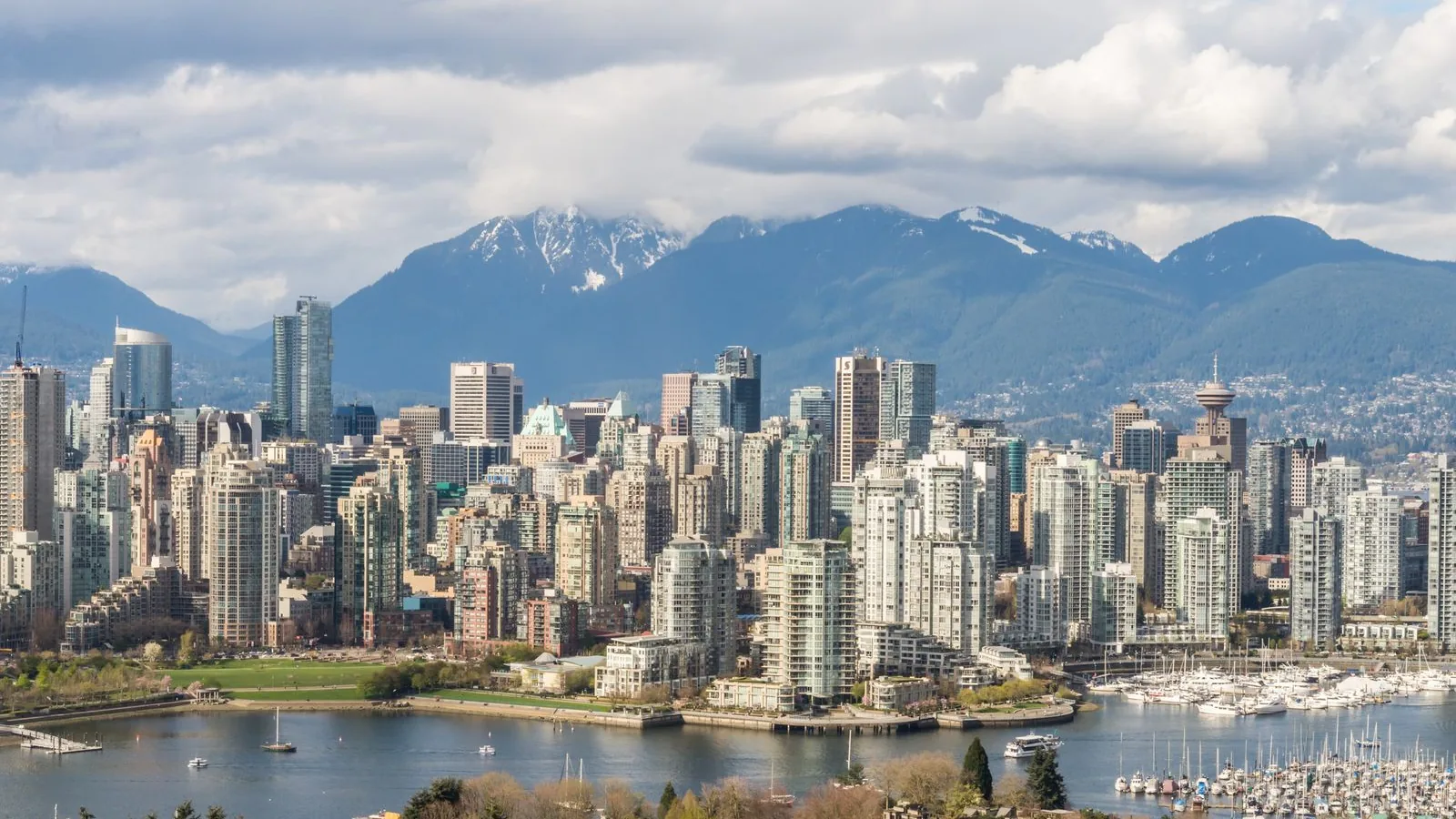
Canada buys from Yiwu the same way the US does — but the paperwork is different. There is no China–Canada free trade agreement, GST is collected at the border, bilingual labelling is a legal requirement on most pre-packaged goods, and anti-dumping findings quietly cover more categories than most new importers expect.
Since 2007 we have loaded containers for Canadian clients across housewares, stationery, tools, party goods and pet products. This page covers the four things you should know before your first order, in the order they usually come up.
Indicative ocean transit from Ningbo (the port Yiwu exports through). Add roughly a week at either end for inland haulage from Yiwu and customs clearance in Canada.
| Destination | Typical ocean transit | Notes |
|---|---|---|
| Vancouver, BC | 15–20 days | First North American port of call; best for BC and Alberta via rail |
| Prince Rupert, BC | 12–18 days | Fastest rail connection into central Canada |
| Toronto / Ontario | 25–35 days | All-water via the Panama Canal, or rail from Vancouver |
| Montreal, QC | 35–40 days | All-water; Quebec buyers should budget for the longer leg |
For an Amazon launch, the practical window from deposit to FC check-in is usually 5–7 weeks on the first order and less on repeats once patterns are set. How we choose between sea, air and express covers when paying for speed is worth it.
Canada applies Most-Favoured-Nation tariff rates to Chinese goods — there is no preferential agreement to lean on. Two things are collected at entry:
Most Canadian clients use a licensed customs broker. We ship to your broker with the commercial invoice, packing list and bill of lading in the same set, and we classify borderline items with you before booking rather than letting the broker guess at the border.
Canada's Special Import Measures Act (SIMA) imposes anti-dumping and countervailing duties on specific goods from China — certain steel products, aluminium profiles, drywall and upholstered furniture among them. These duties can add a multiple of the goods value, and they are assessed at import with no way back.
A furniture finding can cover one seat type and not another. The difference between a taxable and a non-taxable product is often a single material or construction detail — which is exactly the kind of thing we check against the finding text before you place the order.
If a product you want is inside a finding, we tell you at the quotation stage and price the landing cost with the duty included. Sometimes the honest answer is that the product does not work from China — we would rather say that than let the CBSA say it at the port.
Canada's Consumer Packaging and Labelling Act requires product identity and net quantity in both English and French on most pre-packaged consumer goods. For Yiwu sourcing this affects:
The fix is cheap when it happens at the artwork stage and expensive when it happens at the port. It is part of the artwork check we run on any order with retail packaging.
A category the buyer assumed was fine turns out to sit inside a finding. Landing cost doubles and the goods sit in a bonded warehouse while the dispute is settled. The check belongs in the quotation, not the customs entry.
Goods arrive without the French panel, retailer rejects them, and repacking at a Canadian 3PL costs more than the goods. One artwork review in Yiwu prevents it.
Goods for Q4 shelves sailing through Vancouver in November compete with peak-season rail congestion. We work backwards from the shelf date and tell you the last sailing that still works.
A meaningful share of our Canadian volume is FBA replenishment. The working pattern: goods are inspected and carton-counted in Yiwu, Amazon box labels are printed and applied here, and the shipment goes either direct to the FC or to a Canadian 3PL that handles FBA prep. You get the loading video, the carton weights and dims for the shipment plan, and the documents your broker needs — which keeps the FC appointment from becoming the bottleneck.
Most Canadian importers do not need a separate import licence for general merchandise — you need a Business Number (BN) with an import-export account from the CRA before your first CBSA entry. If you do not have one, your customs broker can set it up in a day. We ship to your broker or freight forwarder and the documents arrive with the shipment.
CBSA collects 5% GST on the duty-paid value of commercial imports at entry, plus any duty. This is paid through your customs broker on a regular statement. As a GST registrant you recover it as input tax credit, so the real cost is the duty — which is why the China–Canada tariff lines on your product list should be checked before you order, not after.
Anti-dumping or countervailing duties can add 20–100%+ to specific products from China. The duty is assessed at import by the CBSA and cannot be claimed back. We check the product description against the current SIMA findings before you commit — if a colour, material or seat-type variant falls outside the finding, that detail matters, and we flag it in the quotation.
Yes. Cartons must carry Amazon's FBA box ID labels, and pallets have to meet Amazon's delivery requirements. We print and apply the labels here after inspection, book the freight to the FC or to a third-party warehouse in BC or Ontario, and send you the loading video and the ASN details.
Send your product list with quantities and the destination province. The quote comes back with the tariff classification flagged per line and the SIMA check noted where it applies.
One agent from sourcing to the container — with the CBSA details sorted before the goods sail.
Send Your Product List Chat on WhatsApp